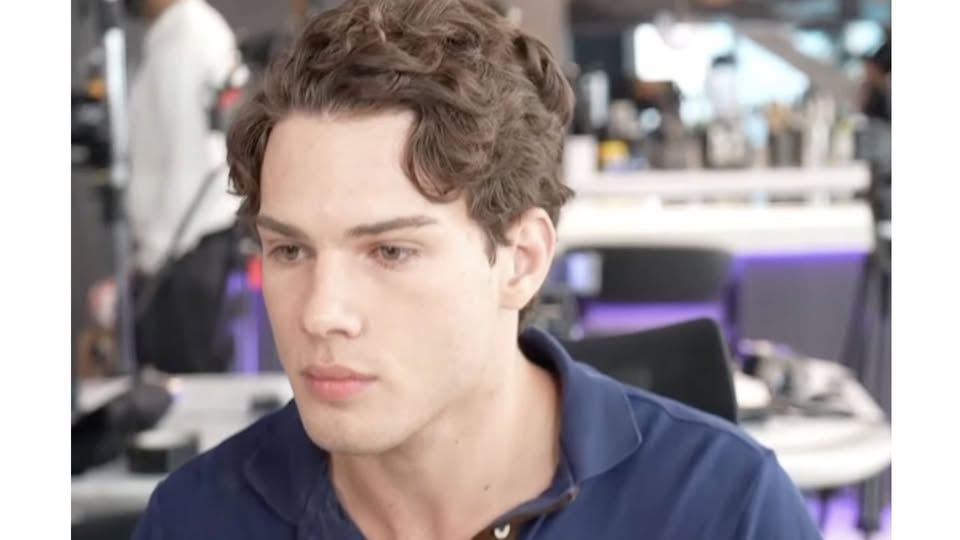
The reported hospitalization of controversial “looksmaxxing” influencer Clavicular has reignited debate about the risks tied to extreme online subcultures and the pressures of internet fame. The 20-year-old creator, whose real name is Braden Peters, was allegedly rushed to hospital after a suspected overdose that unfolded during a livestream, leaving viewers alarmed as the situation escalated in real time.
According to reports, Peters had been filming with fellow influencers when his condition began to visibly deteriorate. What started as casual content quickly turned concerning, as he appeared disoriented, struggled to remain upright, and slurred his speech. At one point, he admitted, “I’m trying my best, but I’m f—ing destroyed right now,” a statement that underscored the seriousness of his condition. Despite these warning signs, the group continued moving between locations, including a mall and later a bar, raising questions about the judgment and responsibility of those around him.
The situation took a more troubling turn when another influencer reportedly asked Peters about his recent drug use and allegedly offered him an “addy,” a slang term commonly associated with Adderall. This moment, captured live, has since drawn criticism for appearing to normalize or even encourage substance use in a vulnerable state. For many viewers, it highlighted a disturbing aspect of influencer culture, where the pursuit of content and engagement can overshadow basic concern for personal safety.
Clavicular is known within the “looksmaxxing” community, a controversial online movement focused on maximizing physical appearance through intense grooming, fitness, and sometimes extreme or harmful practices. Critics argue that the culture promotes unrealistic standards and can foster unhealthy behaviors, particularly among young audiences seeking validation or transformation. This incident has added another layer to those concerns, suggesting that the pressures to maintain a certain image or persona may contribute to risky decisions.
The livestreamed nature of the episode also raises ethical questions about spectatorship in the digital age. Thousands of viewers watched events unfold without the ability to intervene, turning a medical emergency into a form of real-time content. It underscores how blurred the line has become between entertainment and reality, particularly in influencer spaces where authenticity and shock value often drive engagement.
As Peters recovers, the incident serves as a stark reminder of the potential dangers associated with online fame, peer influence, and unchecked subcultures. It also calls for greater accountability—not only among influencers themselves but within the platforms and audiences that sustain this ecosystem.